Uncovering Specialized Features in Global Virtual Event Prediction Tools for Enthusiasts Beyond Standard Sports Categories
Yves Walter · Aug 25, 2026
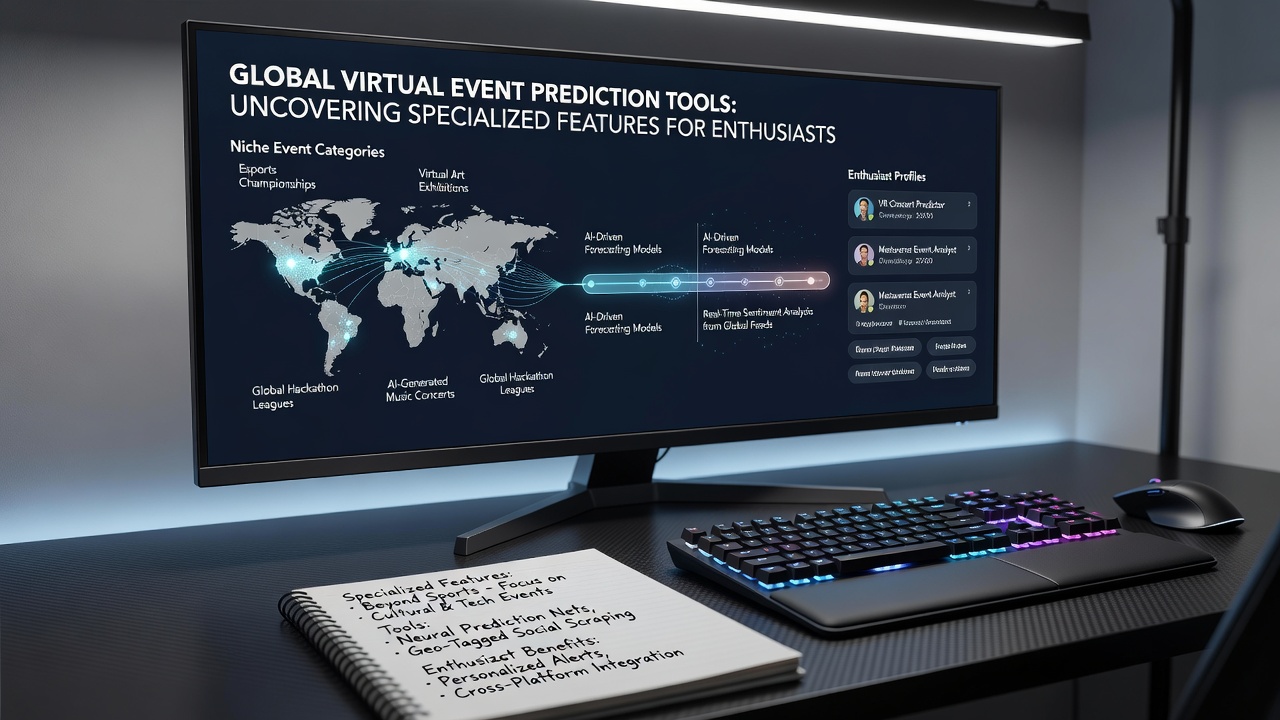
Uncovering Specialized Features in Global Virtual Event Prediction Tools for Enthusiasts Beyond Standard Sports Categories
Virtual event prediction tools have expanded well beyond traditional sports categories to include simulations of political outcomes, entertainment awards, financial market movements, and even weather pattern forecasts. These platforms integrate advanced data streams that allow users to engage with niche virtual events through structured interfaces and analytical layers. Observers note that the shift reflects broader technological adoption in prediction markets where enthusiasts track real-time variables in categories once considered outside mainstream offerings.
Expanding Categories in Virtual Prediction Platforms
Global tools now support prediction on virtual political debates, simulated celebrity competitions, and AI-generated scenario outcomes while maintaining compliance with regional regulations. Data from the Australian Institute of Criminology indicates steady growth in these non-sports segments across Asia-Pacific markets through 2025 and into the first half of 2026. Enthusiasts access features such as multi-variable modeling that combines historical simulation data with live inputs from virtual environments. And platforms distinguish themselves by offering granular filters for event types that range from virtual award ceremonies to hypothetical climate impact assessments.
Key Specialized Features Across International Tools
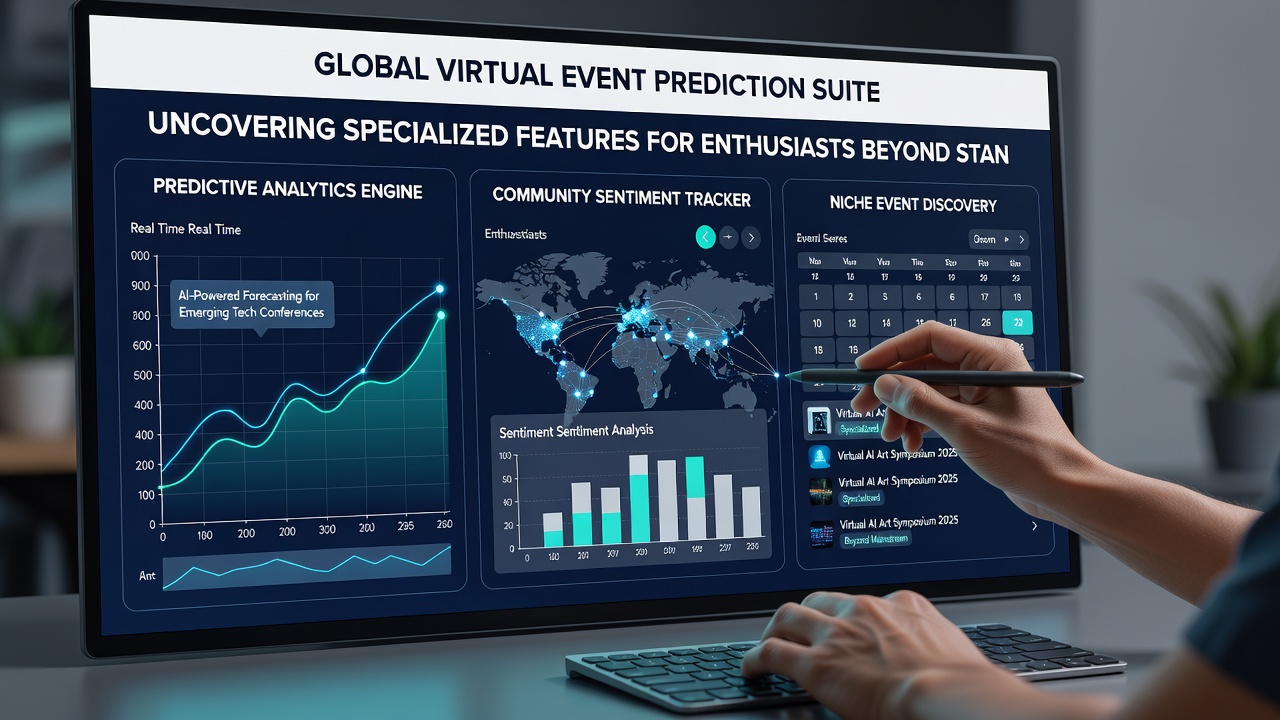
One notable capability involves dynamic probability engines that adjust based on participant behavior in virtual settings rather than physical performance metrics. These engines draw from aggregated datasets provided by industry research groups like the European Gaming and Betting Association which track adoption patterns in multiple jurisdictions. Users benefit from integrated visualization modules that display probability shifts through interactive timelines and scenario trees. Tools also incorporate cross-category correlation analytics allowing enthusiasts to compare virtual political event trends against entertainment simulation results within a single dashboard. Such functionality appears in platforms serving North American and European markets where regulatory frameworks permit broader event variety.
Real-Time Data Integration and Customization Options
Advanced platforms enable seamless ingestion of external feeds from academic research repositories and government statistical portals which enhances accuracy in categories like virtual economic forecasts. Researchers at Canadian universities have documented how these integrations reduce latency in updating prediction models during live virtual events. Customization extends to user-defined alert systems that notify participants of threshold breaches in simulated variables such as audience engagement scores or market volatility indices. In August 2026 several platforms introduced enhanced API connections that link prediction tools directly to university-maintained simulation databases creating more robust data environments for enthusiasts focused on niche topics.
Global Tool Comparisons and Regional Adaptations
Platforms operating in different regions adapt their feature sets to local preferences while preserving core prediction functionalities. Asian markets emphasize mobile-first interfaces with rapid scenario switching between virtual entertainment events and political simulations according to figures from regional industry reports. European tools prioritize detailed audit trails and transparency features that align with oversight requirements from bodies outside the UK. North American services often highlight community-driven prediction pools where enthusiasts pool insights on weather-related virtual events or hypothetical financial outcomes. Those who've examined multiple systems find that interoperability between platforms remains limited yet improving through standardized data formats promoted by international trade organizations.
Technical Infrastructure Supporting Niche Predictions
Underlying architectures rely on distributed computing resources that handle complex Monte Carlo simulations for non-sports virtual events. These systems process thousands of variable combinations in seconds enabling near-instantaneous updates to prediction odds. Security protocols include end-to-end encryption for user inputs and blockchain-based verification of event outcomes in select virtual categories. Observers note that such infrastructure supports scalability as demand grows for predictions on emerging topics like virtual sustainability challenges and simulated cultural trend analyses. The reality is that continued investment in these technical elements drives accessibility for global enthusiasts seeking specialized tools.
Conclusion
Virtual event prediction tools continue evolving through specialized features that address categories outside conventional sports. Data integration, customization layers, and regional adaptations form the foundation of current offerings while technical advancements support broader participation. As platforms refine these capabilities enthusiasts gain access to increasingly sophisticated environments for engaging with virtual political, entertainment, and environmental simulations across international markets.