Regulatory Influences on Esports Wagering Growth Within Mobile Sportsbooks Operating in Europe and Asia
Gisela Schmidt · Aug 21, 2026
Regulatory Influences on Esports Wagering Growth Within Mobile Sportsbooks Operating in Europe and Asia
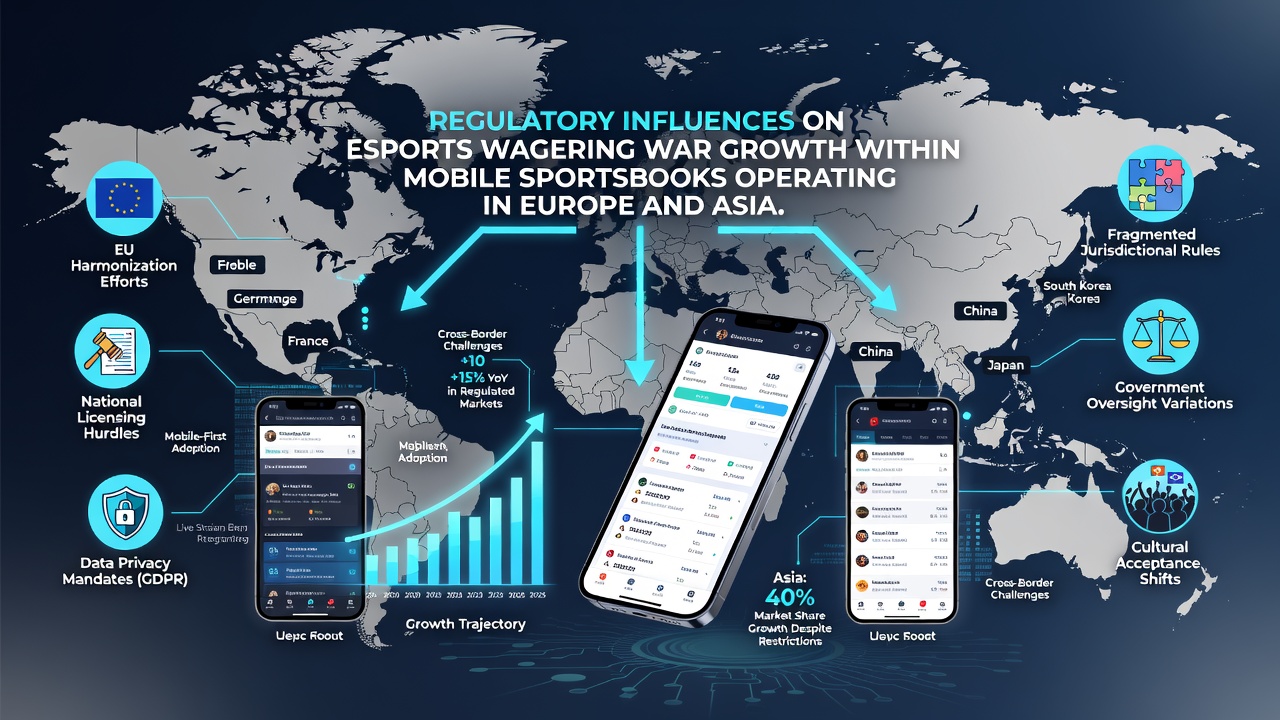
Regulatory frameworks across Europe and Asia continue to shape the expansion of esports wagering through mobile sportsbooks, as governments adjust licensing requirements, tax structures, and consumer protection measures that directly affect how operators deliver these products. Data from industry reports indicate steady market growth in regions where rules have clarified, while stricter environments have prompted operators to refine their mobile platforms and compliance strategies.
European Regulatory Landscape and Mobile Integration
European countries have implemented varied approaches to online gambling that encompass esports betting, with mobile sportsbooks adapting through enhanced verification systems and geo-fencing technologies. In Germany the Interstate Treaty on Gambling has established licensing pathways that include esports markets, requiring operators to maintain separate accounts for different wager types and to integrate real-time monitoring tools into their apps. Observers note that these requirements have encouraged mobile platforms to incorporate advanced age verification and spending limit features directly into user interfaces.
France and the Netherlands have followed similar paths, where national regulators mandate that esports events meet specific integrity standards before betting markets open on mobile applications. Research indicates that these rules have supported gradual increases in licensed activity, as operators update their software to handle multi-jurisdictional compliance without disrupting the user experience. And in several EU member states, mobile sportsbooks now display dynamic odds adjustments that reflect ongoing regulatory updates, allowing users to track changes in real time.
Asian Markets and Divergent Policy Approaches
Asian jurisdictions present a more fragmented picture, where some markets have liberalized esports wagering while others maintain tight controls. Japan’s 2023 revisions to its public gambling laws opened limited avenues for licensed operators, and mobile sportsbooks have since integrated esports titles under strict location-based restrictions. Data shows that these licensed channels have captured a measurable share of activity that previously occurred through offshore platforms.
In contrast, China continues to prohibit most forms of esports betting, pushing operators to focus on neighboring regions such as the Philippines and Macau where regulatory sandboxes permit controlled testing of mobile wagering products. Singapore’s Casino Regulatory Authority has introduced guidelines that require mobile operators to separate esports betting from traditional sports markets, a distinction that has led to specialized app modules for each category. Those who have examined compliance reports find that these separations help regulators monitor transaction volumes more precisely.
Impact on Mobile Sportsbook Features and User Access
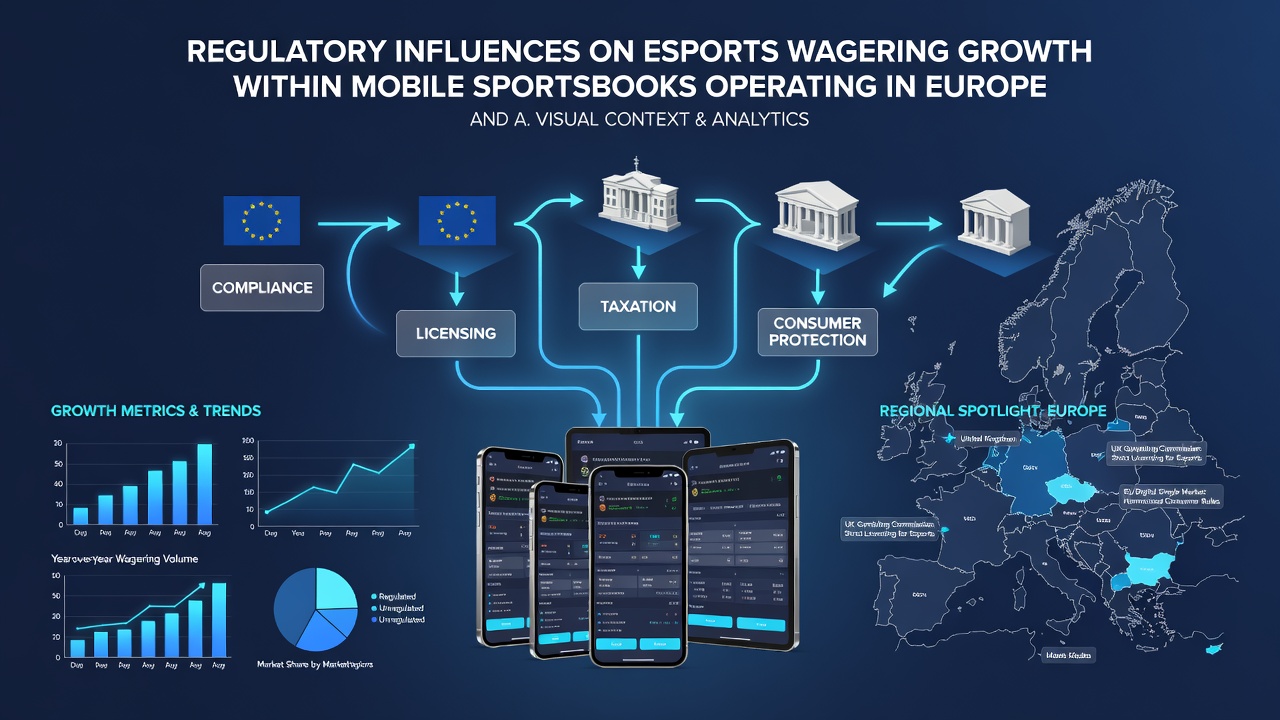
Mobile operators have responded to regulatory pressures by embedding compliance tools such as session timers, loss-limit alerts, and automated reporting systems that feed directly into regulatory portals. Studies from gaming research institutions reveal that platforms operating under multiple licenses often deploy modular codebases, enabling quick updates when rules change in individual countries. This flexibility has become essential as authorities in both Europe and Asia issue new technical standards for data security and responsible gambling messaging.
Payment processing represents another area of regulatory influence, with several Asian markets requiring local financial institutions to handle transactions for licensed esports betting. European directives on anti-money laundering have similarly prompted mobile sportsbooks to implement enhanced customer due diligence at the point of deposit. Observers note that these layered checks have extended onboarding times yet have also reduced the incidence of flagged accounts once users complete verification.
Market Data and Growth Patterns Through Mid-2026
Industry figures released in August 2026 show continued expansion of esports wagering volumes on licensed mobile platforms in select European and Asian markets, with year-over-year increases tied to clearer licensing regimes. Trade associations have documented higher download rates for apps that prominently display regulatory seals and responsible gambling resources. Yet markets without unified frameworks still see significant activity routed through unregulated channels, highlighting the ongoing tension between consumer demand and regulatory reach.
Academic papers examining cross-border data flows indicate that operators who maintain transparent reporting to multiple regulators tend to achieve more stable growth trajectories. These findings align with licensing statistics from jurisdictions that have updated their frameworks to include esports-specific categories rather than treating them under general online gambling rules.
Conclusion
Regulatory developments continue to determine the pace and structure of esports wagering growth inside mobile sportsbooks across Europe and Asia. Licensing clarity, technical compliance requirements, adn payment rules each play measurable roles in how operators scale their platforms and how users access markets. As authorities refine their approaches, mobile solutions that embed regulatory safeguards from the outset remain central to sustained, licensed expansion in these regions.